C12200 Copper: The Brazing and Tube Grade, and When Not to Use It
October 11, 2026
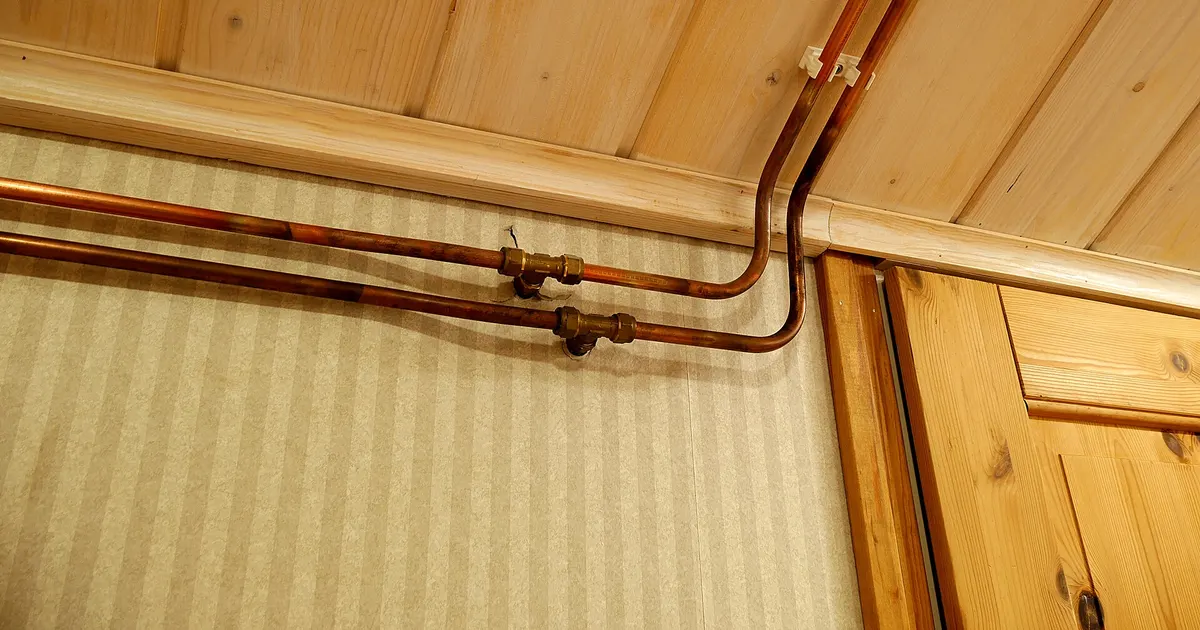
C12200 is the copper that most people have already met without knowing it. It is the grade of plumbing tube, refrigeration tube and many brazed heat exchanger parts. In machined work it appears when a copper part must be brazed or welded and electrical conductivity is a secondary concern. This guide explains what the phosphorus does, what it costs and how to decide between C12200 and its neighbours.
What C12200 is
C12200 is phosphorus deoxidized copper with high residual phosphorus, usually shortened to DHP. During casting, a small amount of phosphorus, typically 0.015 to 0.040 percent, is added to the melt. The phosphorus combines with dissolved oxygen and removes it. What remains is a copper with essentially no oxygen and a little leftover phosphorus.
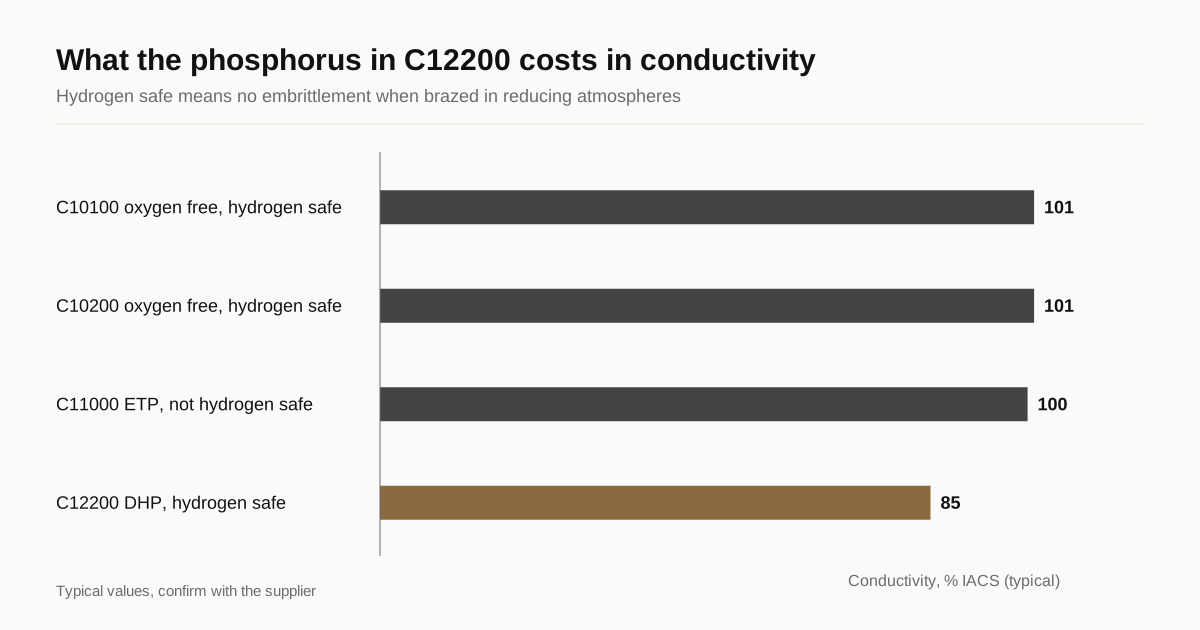
That leftover phosphorus is the cause of both its strength and its weakness. It makes the metal weldable and brazeable in almost any atmosphere. It also scatters electrons, which lowers conductivity from above 100 percent IACS in the pure grades to around 85 percent.
Why the oxygen matters
Ordinary tough pitch copper, C11000, carries a little oxygen in the form of copper oxide particles. If the metal is heated in an atmosphere that contains hydrogen, the hydrogen diffuses in, reacts with the oxide and makes steam. The steam cannot escape, and it cracks the metal from inside. This is hydrogen embrittlement.
Brazing and welding of copper often use reducing flames or protective atmospheres that contain hydrogen. A deoxidized grade has no oxide to react, so it survives. That is the reason tube and fittings, which are brazed everywhere, are made in C12200.
How it compares
The table uses published typical values from the site’s copper grade reference and common product data. They are typical for the alloy and not a promise from any shop.
| Grade | Conductivity, % IACS | Oxygen | Hydrogen safe | Normal use |
|---|---|---|---|---|
| C10100 oxygen free electronic | 101 | Very low | Yes | UHV, RF, electron devices |
| C10200 oxygen free | 101 | Very low | Yes | General oxygen free work |
| C11000 electrolytic tough pitch | 100 | Some | No | Busbars, terminals, general electrical |
| C12200 phosphorus deoxidized | 85 | Very low | Yes | Tube, pipe, brazed and welded parts |
Thermal conductivity follows the same pattern. C12200 conducts heat at about 340 W/m·K against roughly 390 for pure grades, so a heat spreader in DHP is about 13 percent less effective than one in C11000 at the same geometry.
Where to specify it
Tube and pipe. The standard grade for plumbing and refrigeration tube and for pipe in many sizes. Typical specifications are ASTM B75 for tube, B88 for water tube and B42 for pipe, depending on service.
Brazed assemblies. Fabrications that go through a furnace or are torch brazed, such as manifolds, fittings and heat exchanger parts.
Welded construction. DHP gives the best welding behavior of the common coppers, so it is the usual choice when a joint is fusion welded.
Machined parts from tube or plate. Fittings, adapters and ports turned from tube stock or cut from plate, where the part will join to tube.
Cold plate tubes. Copper tube pressed into a milled plate. See copper cold plate machining.
Where not to specify it
Where conductivity matters. A C12200 busbar loses about 15 percent of the current carrying ability of C11000 for the same cross section. The loss shows up as heat. The copper busbar design guide covers current density and the effect of grade.
Where the part needs free machining. C12200 is rated about 20 on the machinability scale where free-cutting brass is 100. It is as gummy as any pure copper. If the part is a turned component and conductivity is not critical, a free-machining grade is better, though check its brazing behavior with the supplier first.
For ultra high vacuum. Oxygen free copper is the usual specification, and the residual phosphorus is not wanted. See oxygen free copper for vacuum and UHV.
When oxygen free is cheaper than the trouble. If the part must be brazed in hydrogen and also conduct well, C10100 or C10200 is the answer. Oxygen free coppers solve both problems at higher material cost. The choice between them is in C101 vs C102.
Tempers and product forms
Tube is normally sold in a soft temper, O60, or a light drawn temper, H55, which is straight length tube. Plate and sheet are available in annealed and half hard tempers. Machined parts from tube inherit the temper of the tube, so a soft coil tube gives soft parts. Say which temper you want on the drawing, using the copper temper codes.
Stock sizes for tube are standard, but wall thickness and diameter combinations vary. Check availability with the shop before you design around an unusual size. Copper stock forms explains what is normally on a shelf.
Machining notes
C12200 cuts like other pure coppers. Use sharp tools with positive geometry, light finishing cuts and lots of coolant. The chips are long and stringy and the burrs are large, so plan deburring on any machined edge. Thin tube walls distort in the chuck, so ask the shop how it holds the part. Internal threads in tube walls need enough thickness to carry the thread.
When a machined C12200 part is brazed, the heat will anneal it, so any hard temper from drawn tube is lost around the joint. Joining machined copper parts covers braze alloys and joint design.
Cost and supply
C12200 is among the cheapest and most available coppers, because the plumbing and refrigeration industries buy it in huge volume. Tube comes from stock in standard sizes and plate is widely held. That makes it a low risk grade for lead time. Where a drawing says only “copper” and the part will be brazed, many shops will quote C12200 by default, and it is worth confirming that they have understood the conductivity need.
The price difference between C12200 and C11000 is small compared with machining and finishing cost. Do not choose between them to save material money. Choose on brazing behavior and conductivity. The same logic applies to the step up to oxygen free copper: the metal costs more, but a failed brazed joint or an embrittled part costs far more.
Two common mix-ups
Calling for “copper tube” and getting the wrong grade. Tube is almost always C12200, but a custom order could be supplied in another copper. If you need a particular grade, name it.
Substituting C11000 plate in a hydrogen braze. The shop sees “copper plate” and uses what is on the rack. After the furnace the part is brittle. Write “hydrogen safe grade required” on any brazed copper drawing.
How to write the callout
Phosphorus deoxidized copper, UNS C12200,
ASTM B75 seamless tube, temper O60.
Brazed assembly, hydrogen safe grade required.
Name the UNS number and the product form. State the standard only if you are sure of it for your size and service, and otherwise say “to be confirmed with supplier”. If conductivity matters, state the minimum, but remember that C12200 is capped near 85 percent IACS. See how to specify copper on a drawing.
Checklist for the RFQ
- Name the grade by UNS number and the product form
- State the temper and wall thickness for tube
- Say if the part is brazed, welded or used in a hydrogen atmosphere
- State the minimum conductivity if it matters, and check it is below 85 percent
- Accept an alternative such as C10200 only if you want it quoted
- Ask for a certificate with heat number and chemistry
Send the drawing through the RFQ form. We match it with up to 3 shops that cut copper and reply within 24 business hours.
Frequently asked questions
What does C12200 stand for?
UNS C12200 is phosphorus deoxidized copper with high residual phosphorus, often called DHP copper. A small phosphorus addition removes the oxygen during casting, which makes the metal safe to braze and weld, and it lowers conductivity to around 85 percent IACS.
Can I use C12200 for a busbar?
You can, but you probably should not. Compared with C11000 it carries roughly 15 percent less current for the same section, or it runs hotter. Use C12200 only where the part also has to be brazed, welded or formed as tube and the electrical loss is acceptable.
Is C12200 the same as oxygen free copper?
No. Both contain very little oxygen, but oxygen free grades such as C10100 get there by processing and keep conductivity above 100 percent IACS. C12200 removes oxygen with phosphorus, and the leftover phosphorus lowers the conductivity.
Need a quote for this part?
Send the drawing. We match you with up to 3 copper shops and reply within 24 business hours.
Get matched with a copper machining shop