Grounding and Earthing Parts: When Machined Copper Beats Cast
October 16, 2026
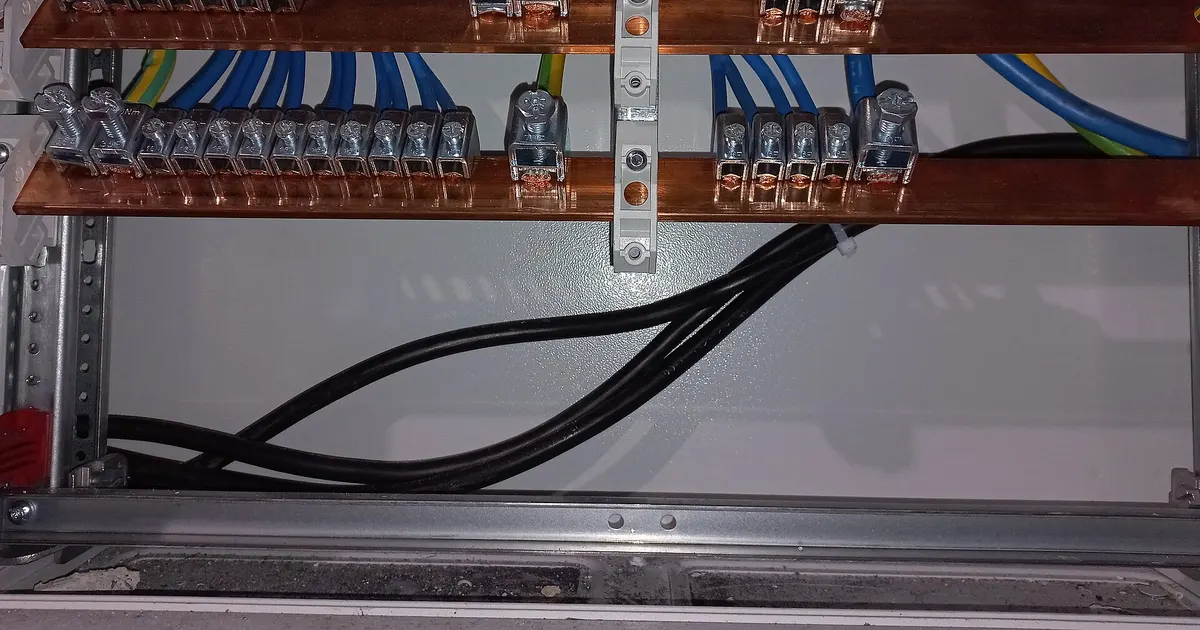
A grounding or earthing system gives fault current a safe path to the earth. The copper parts in it are not glamorous: ground bars, lugs, clamps, links and plates. They only have to carry a short, very large fault current without melting and hold their resistance low for decades. Most are cast or stamped in volume. Machining from copper bar is the other route, and it is the better one in some cases. This guide compares the two and sets out what to put on an RFQ.
Typical grounding parts
- Ground bars and busbars. A copper bar with drilled and tapped holes for cable lugs, in a switchboard or at a cabinet entry.
- Cable lugs. Compression and bolted lugs with a barrel for the conductor and a flat palm with one or two holes.
- Ground rod clamps. Clamps that join a conductor to an earth rod.
- Bonding links and jumpers. Flat copper links between bars, frames or equipment.
- Ground plates and test points. Plates that terminate a conductor and give a point for measuring.
- Transition parts. Bimetallic lugs and washers where copper meets aluminum.
Machined against cast
| Feature | Machined from wrought copper bar | Cast bronze or brass |
|---|---|---|
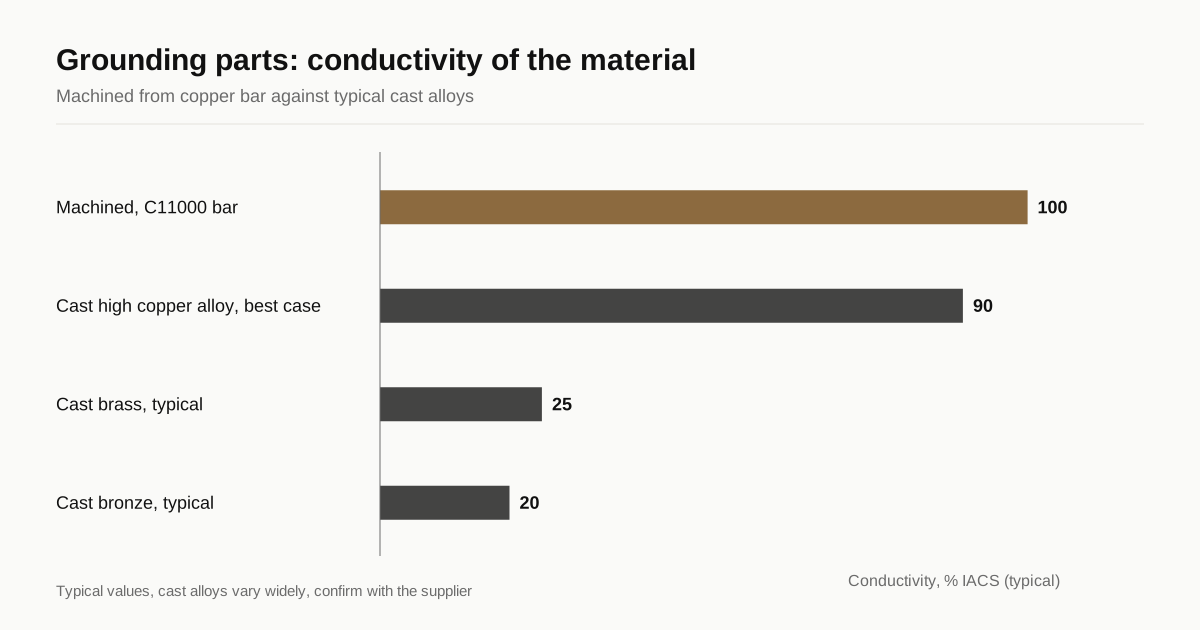
| Conductivity | About 100% IACS, C11000 | Often 15 to 30% IACS, copper casting alloys vary widely |
| Strength | High in half hard temper | Depends on alloy, brittle in some |
| Dimensional tolerance | ±0.05 mm achievable | ±0.3 to ±0.5 mm as cast |
| Porosity risk | None in wrought bar | Present, affects thread strength and corrosion |
| Tooling cost | None | Pattern or die, often significant |
| Best volume | Prototypes to several thousand | Thousands and above |
| Surface | Machined, plating easy | As cast, needs cleanup |
These are typical ranges, not promises, and they depend on the foundry and the alloy. The big difference for an electrical part is conductivity. A cast bronze lug at 20 percent IACS carries current like a metal with one fifth the conductivity of copper, so it must be larger to give the same resistance. A machined copper part can be smaller and lighter for the same job.
Where machining wins
Prototypes and small batches. No tooling, drawings change freely.
Special shapes. Odd hole patterns, thick lugs for large conductors and parts that must fit a specific enclosure.
High conductivity at small size. Where space is tight or the fault current is large, pure copper in a compact part helps.
Tight tolerance. A lug barrel that must fit a cable of exact size, or a palm that must lie flat on a bar.
Repeat orders under stable drawings. Machining lead time is predictable and does not depend on a foundry slot.
Where cast or stamped wins
Volume. Once quantities reach thousands, pattern and die costs spread out and piece price falls below machining.
Standard catalog parts. For common sizes and ratings, a listed catalog part may be cheaper and already tested.
Parts that need approvals. If your installation requires listed products, a catalog part from a certified source can avoid a test program.
Stamped copper links and bars are a third route that sits between the two. For volume flat parts with holes, stamping is the cheapest.
Specifying copper for grounding parts
C11000 electrolytic tough pitch copper in H02 half hard is the common choice. It conducts about 100 percent IACS, is easy to source in bar and plate and machines acceptably, though it is gummy. See the copper grade reference. A free-machining grade such as C14500 cuts faster for small turned parts such as studs, at some loss of conductivity. If you plan to bend a link, ask for a soft temper instead.
Tin plating is the usual finish on lugs and bars. It protects the surface from oxidation, and a tinned copper lug lasts longer in damp locations. Plating also helps joins between copper and aluminum, where an inhibiting compound is also used. Give the plating thickness and the areas on the drawing. Tin against silver plating and copper busbar plating cover options.
Dimensions that matter
- Contact face flatness. A flat palm or bar gives good contact, typically within 0.1 mm over the contact area.
- Hole size and position. Holes sit to a standard pattern such as NEMA or IEC, with tolerance of about ±0.2 mm. See copper drawing tolerance stack for how stack up works.
- Barrel bore. A compression lug barrel has a bore sized to the conductor, and a tolerance that lets the crimp close correctly.
- Thread quality. Tapped holes in soft copper strip easily. Use a thread insert or a larger thread when repeat assembly is expected. Thread inserts against tapped threads explains the choice.
- Edges. Burr free, with a small radius, because sharp edges cut cable insulation. Deburring copper parts covers cost.
Corrosion and the environment
Grounding parts live in switchrooms, damp trenches and buried pits. Pure copper handles most of these well, because it forms a stable surface film. The usual problems come from mixing metals. A copper lug on an aluminum conductor corrodes the aluminum unless the joint is protected, so installers use bimetallic lugs or an inhibiting compound. Steel bolts in a copper joint corrode in wet locations, and stainless fasteners are a common fix. Soil chemistry and stray currents change what is safe underground, and those cases are for the grounding designer.
Tin plating adds protection to indoor lugs and bars without hurting conductivity much at the thickness used. Silver plating is a premium choice for high current links. Bare copper stays acceptable in dry rooms.
Marking and traceability
Many grounding parts are marked with a part number, a cable range or a standard. Marking can be stamped, engraved or laser etched. Deep stamping near a bend or a hole weakens the part, so ask the shop where it will mark. For regulated work, request the material certificate with the lot, as explained in copper material certificates, and keep it with your records.
Torque and joint quality
A grounding joint is only as good as its clamping force. A bolted lug joint needs flat, clean faces, the correct fastener and the right torque. A poor joint heats under fault current and can fail even if the lug is sound. Busbar bolted joint torque explains fasteners, washers and torque.
Listings and responsibility
Grounding and bonding equipment is often covered by listing standards, such as UL 467 for grounding and bonding equipment and the IEC 62561 series for lightning protection components. Those standards set tests for temperature rise, current withstand and pull out. A shop machining to your drawing supplies a part, not a listed product. If your installation needs listed parts, buy them from a source that holds the listing, or run the tests yourself. We are a matching service and cannot certify anything. The conductor size, fault current and joint rating are decisions for your electrical designer.
What to write on the RFQ
- Part type, with a drawing and model, and the cable size it must take
- Grade and temper, such as C11000 H02
- Contact face flatness and hole pattern with tolerance
- Plating, with thickness and areas
- Edge condition as a dimension
- Thread type and insert requirement
- Marking, such as part number or cable range
- Annual quantity and release size, so the shop can price machining against casting
- Any listing or standard requirement
For general busbar design, read the copper busbar design guide and the busbar machining page. Send the drawing through the RFQ form. We match it with up to 3 shops that cut copper and reply within 24 business hours.
Frequently asked questions
Are cast grounding clamps as conductive as machined copper ones?
Usually not. Many cast clamps are made from bronze or brass alloys with conductivity far below pure copper, so they rely on a larger section to carry the same current. A part machined from wrought copper bar conducts about as well as copper does, which allows a smaller part for the same duty.
Does a machined grounding part need a listing or approval?
Grounding and bonding products are often covered by listing standards such as UL 467 or the IEC 62561 series for lightning protection components. A part machined to a customer drawing is not listed by default. Check what your installation requires before choosing a source.
What copper grade is used for machined ground bars and lugs?
C11000 electrolytic tough pitch copper in a half hard temper is the standard for ground bars, links and lugs. It has the highest conductivity of the common coppers and is easy to source in bar and plate. Tin plating is usual for lugs.
Need a quote for this part?
Send the drawing. We match you with up to 3 copper shops and reply within 24 business hours.
Get matched with a copper machining shop